Understanding Ikat Patterns: A Guide to Their Unique Appeal and Versatility
Ikat patterns have long been celebrated for their intricate designs and rich cultural heritage. Originating from ancient textile traditions in regions like India, Indonesia, and Central America, ikat is a resist-dyeing technique that creates bold, abstract motifs through meticulous preparation of the fabric before dyeing. Unlike traditional weaving methods where patterns are woven directly into the fabric, ikat involves tying and dyeing yarns before they are woven, resulting in a distinctive visual effect where colors blend and overlap in unique ways.
What Makes Ikat Patterns Distinct?
The defining characteristic of ikat patterns lies in their creation process. Artists first tie sections of yarn with threads, creating a resist that prevents certain areas from absorbing dye. After dyeing, the tied sections are untied, revealing the pattern as the yarns are woven together. This method allows for complex, layered designs that often feature soft gradients and fluid shapes. The result is a textile that appears both organic and intentional, with a depth that can’t be replicated by simpler printing or digital design techniques.
Unlike many modern print patterns that rely on digital tools and software, ikat patterns carry a tangible history and craftsmanship. Each piece is a testament to the skill and patience of the artisan who created it. This handmade quality gives ikat a warmth and authenticity that resonates with those seeking meaningful, artistic additions to their craft projects.
Comparing Ikat Patterns with Other Textile Designs
When evaluating ikat patterns alongside other textile designs, several key differences emerge. For instance, compared to block prints, which use carved blocks to transfer designs onto fabric, ikat offers a more dynamic and unpredictable aesthetic. Block prints tend to produce sharp, defined lines and repetitive motifs, whereas ikat patterns often feel more fluid and abstract.
Similarly, ikat differs from digital prints in both texture and application. Digital prints allow for precise replication of images, making them ideal for mass production. However, they lack the tactile richness and individuality of handcrafted ikat. While digital prints may offer greater consistency, they also risk losing the soul of the original design. Ikat, on the other hand, carries a sense of uniqueness that makes each piece special.
Another common alternative is tie-dye, which involves binding parts of the fabric and dyeing it in sections. While tie-dye can produce vibrant, colorful effects, it generally lacks the structured complexity of ikat. Tie-dye patterns tend to be more random and less refined, making ikat a better choice for those who appreciate precision and artistry in their textiles.
Strengths and Limitations of Ikat Patterns
One of the greatest strengths of ikat patterns is their versatility. Whether used in home décor, fashion, or personal crafts, ikat can adapt to a wide range of applications. Its ability to create depth and dimension makes it particularly well-suited for items like wall art, scrapbook decorations, and gift wrapping. The subtle blending of colors also adds an elegant touch to greeting cards, planners, and stationery.
However, there are limitations to consider. Because ikat is traditionally a labor-intensive process, authentic handcrafted ikat is often more expensive than mass-produced alternatives. Additionally, the unpredictable nature of the dyeing process means that no two pieces are exactly alike, which may not appeal to those seeking perfect uniformity in their designs.
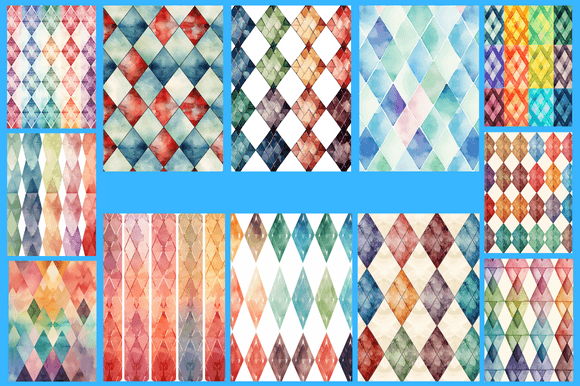
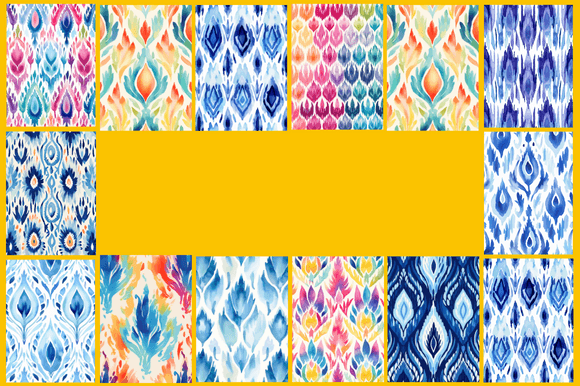
For those working with digital files, such as the 12 high-resolution digital papers mentioned earlier, the challenge lies in replicating the organic feel of handwoven ikat. While these digital versions offer convenience and accessibility, they may not fully capture the nuanced textures and color transitions found in genuine ikat fabrics.
When to Choose Ikat Patterns and When to Explore Alternatives
Ikat patterns are an excellent choice for individuals who value artistry, uniqueness, and cultural significance in their craft projects. If you're looking to add a touch of sophistication to your greeting cards, planners, or wall art, ikat provides a visually striking option that stands out from the usual designs.
On the other hand, if consistency and cost-effectiveness are priorities, alternatives like digital prints or block prints may be more suitable. These options allow for greater control over the final product and are often more affordable, especially when working with large quantities or budget-conscious projects.
For those interested in experimenting with different styles, combining ikat with other patterns can yield interesting results. For example, pairing ikat with geometric or floral designs can create a balanced yet dynamic composition. This approach allows for creative flexibility while still honoring the essence of ikat’s aesthetic.
Practical Applications of Ikat Patterns
The practical uses of ikat patterns extend beyond traditional textiles. In the realm of stationery, ikat designs can elevate everyday items like notebooks, calendars, and postcards. The subtle gradients and flowing lines of ikat add a sense of elegance and refinement, making them perfect for both personal and professional use.
In the world of packaging, ikat patterns can transform simple gift wraps into eye-catching, artistic presentations. Whether used for birthday gifts, holiday presents, or special occasions, ikat adds a layer of creativity and thoughtfulness that goes beyond standard wrapping paper.
Additionally, ikat patterns are increasingly being incorporated into modern home décor. From throw pillows to table runners, these designs bring a global, artistic flair to interior spaces. Their versatility allows them to complement a variety of styles, from bohemian to minimalist, depending on how they are paired with other elements.
Conclusion
Ikat patterns offer a unique blend of tradition, artistry, and versatility that sets them apart from other textile designs. While they may not be the best fit for every project, they provide a compelling option for those who appreciate craftsmanship and visual depth. Whether you’re crafting for personal use or exploring new design possibilities, understanding the strengths and limitations of ikat can help you make informed decisions about its role in your creative journey.