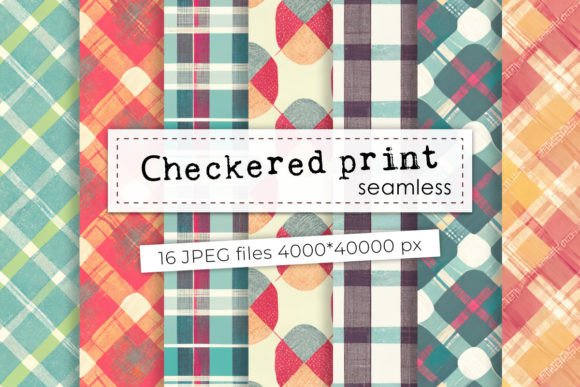
Checkered Plaid Patterns: A Strategic Design Resource for Creativity and Branding
Checkered plaid patterns have long been a staple in design, fashion, and home décor. Their timeless appeal lies in their ability to convey tradition, sophistication, and visual interest. As a digital product, this collection of checkered seamless prints offers a versatile resource for creators, entrepreneurs, and professionals looking to elevate their projects with high-quality, customizable designs.
Understanding Checkered Plaid Patterns
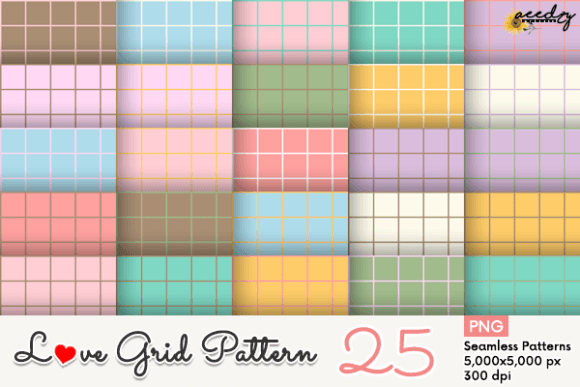
Checkered plaid patterns are characterized by alternating squares or rectangles of two or more colors, often arranged in a symmetrical grid. These patterns can be found in various forms, from the classic Scottish tartan to the more subdued gingham and madras styles. The versatility of checkered plaid makes it suitable for a wide range of applications, including fabric, packaging, wrapping paper, scrapbooking, and even digital backgrounds.
This particular collection features 16 seamless JPEG files, each measuring 4096 x 4096 pixels. The archive size is 222 MB, making it an efficient and comprehensive resource for designers and creatives. The color palette includes pink, blue, beige, and other hues, offering a range of options that can be tailored to different projects and brand identities.
Why Checkered Plaid Patterns Matter in Modern Design
Checkered plaid patterns are more than just aesthetic choices—they are strategic tools that can enhance branding, communication, and user experience. When used thoughtfully, these patterns can reinforce a brand's identity, create visual consistency, and foster emotional connections with audiences.
For instance, a small business owner launching a boutique may use checkered plaid as a recurring element across packaging, website backgrounds, and social media graphics. This repetition helps build brand recognition and creates a cohesive visual language that resonates with customers.
Similarly, educators and content creators can leverage checkered plaid patterns to make learning materials more engaging. A vintage-inspired checkered pattern might be used on educational posters or infographics, adding a nostalgic touch that enhances memorability.
Strategic Use Cases for Checkered Plaid Patterns
The key to successfully integrating checkered plaid into your design strategy is understanding when and how to use it effectively. Here are some practical use cases:
- Fabric and Textile Design: Checkered plaid patterns are ideal for creating custom fabrics, such as tablecloths, blankets, and clothing. They add texture and depth while maintaining a classic, approachable feel.
- Packaging and Wrapping: Using checkered plaid as a background or accent in packaging can elevate the perceived value of a product. It adds a sense of quality and craftsmanship.
- Scrapbooking and Stationery: For hobbyists and DIY enthusiasts, checkered plaid patterns offer endless possibilities for creating personalized scrapbook pages, greeting cards, and invitations.
- Digital Backgrounds and Graphics: In web and app design, checkered plaid can serve as a subtle backdrop that enhances readability without overwhelming the content.
- Branding and Marketing: Consistent use of checkered plaid across marketing materials, logos, and social media can help establish a strong, recognizable brand identity.
Each of these use cases requires careful planning and consideration of context, audience, and purpose. The goal is not to apply checkered plaid randomly but to align its use with specific objectives and outcomes.
Planning Your Use of Checkered Plaid Patterns
Before incorporating checkered plaid into your projects, it’s essential to define clear goals and consider the following factors:
- Audience: Who will see or use the design? Understanding your audience's preferences and expectations will guide your choice of colors, patterns, and overall style.
- Context: Where and how will the design be used? The application—whether it’s for a print project, digital platform, or physical product—will influence the design’s scale, resolution, and placement.
- Brand Identity: Does the checkered plaid align with your brand’s values, tone, and visual language? Consistency is key to building trust and recognition.
- Functionality: Will the design serve a functional purpose, such as improving readability or enhancing user experience? Balance aesthetics with usability.
- Long-Term Value: Consider how the design will evolve over time. Will it remain relevant, or will it need updates or revisions?
By addressing these considerations, you can ensure that your use of checkered plaid patterns is intentional, effective, and aligned with your broader strategic goals.
Risks of Misusing Checkered Plaid Patterns
While checkered plaid patterns offer numerous benefits, they also come with potential risks if not used with care. One common pitfall is applying them without a clear purpose or context. Random use of checkered plaid can lead to visual clutter, confusion, and a lack of focus.
Another risk is using checkered plaid in a way that contradicts your brand’s identity. For example, a modern, minimalist brand may find that a bold, traditional checkered pattern clashes with its overall aesthetic. In such cases, it’s better to choose a simpler or more subdued variation of the pattern.
Additionally, over-reliance on checkered plaid without diversifying your design vocabulary can limit creativity and innovation. While checkered plaid is a valuable tool, it should be part of a broader design strategy rather than the sole element in every project.
Maximizing the Value of Checkered Plaid Patterns
To get the most out of this collection of checkered plaid patterns, consider the following tips:
- Experiment with Color Combinations: Try pairing different colors from the collection to create unique, eye-catching designs that reflect your brand’s personality.
- Use Layers and Overlays: Combine checkered plaid with other design elements, such as text, images, or textures, to add depth and complexity.
- Test Across Different Media: Ensure that the patterns work well in both print and digital formats. Adjust sizing, contrast, and resolution as needed.
- Keep It Simple: Avoid overwhelming the viewer with too much detail. Sometimes, a clean, minimal use of checkered plaid can be more impactful than a complex design.
- Stay Updated: Checkered plaid trends evolve over time. Stay informed about new variations and how they can be incorporated into your projects.
By approaching checkered plaid patterns with intention and creativity, you can unlock their full potential and achieve meaningful results in your design work.
Conclusion
Checkered plaid patterns are a powerful resource for designers, entrepreneurs, and creators. Their versatility, visual appeal, and strategic value make them an excellent addition to any design toolkit. Whether you’re working on fabric, packaging, digital graphics, or branding, the right use of checkered plaid can elevate your projects and support your long-term goals.
With this collection of 16 seamless checkered plaid patterns, you have the opportunity to explore new creative directions, enhance your brand identity, and deliver more engaging experiences to your audience. By using these patterns intentionally and strategically, you can turn design into a meaningful and impactful part of your workflow.